
CX Insights
- Home
- / AI
- / CX Insights
AI-Powered Automated Interaction Analysis
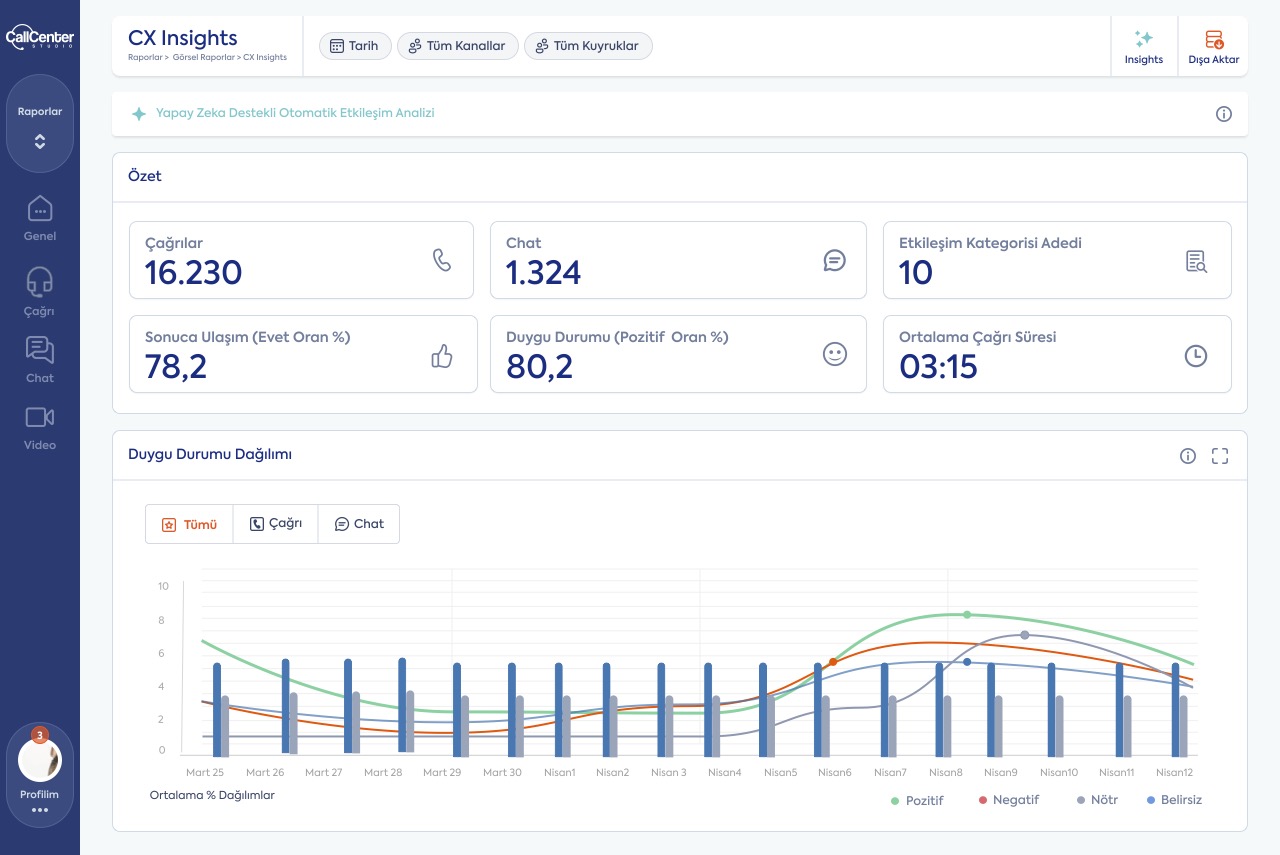
Empower Your Communication Center with Data-Driven Decisions
With our newest AI-based solution, CX Insights, we’re taking your Frontier experience to the next level. This product analyzes customer conversations to provide detailed insights into your call center’s performance; it allows you to see trends, optimize processes, and create exceptional customer experiences.

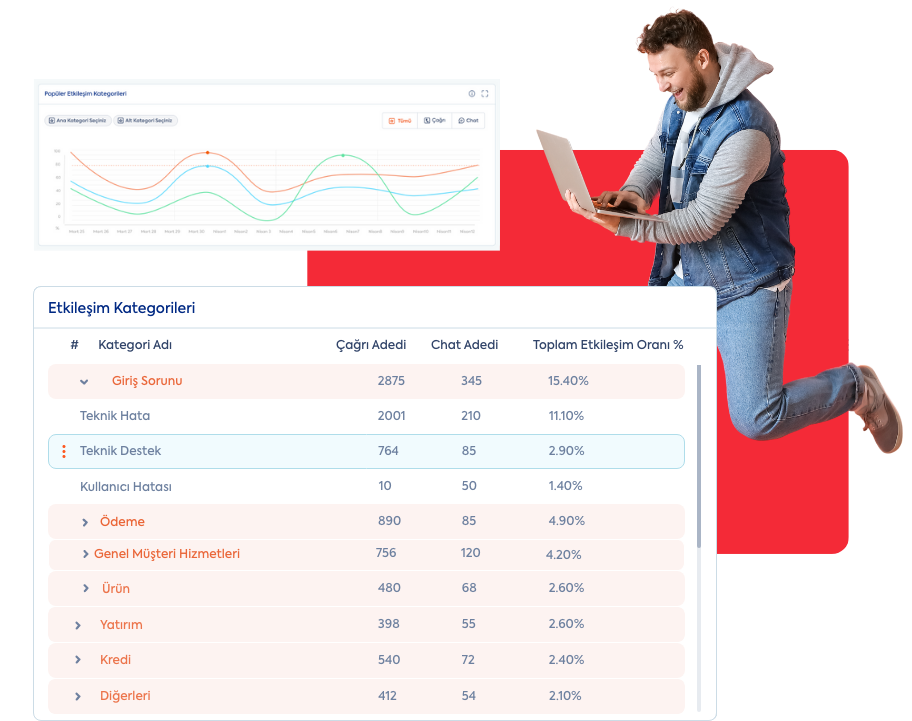
Elevate the Customer Experience with CX Insights
CX Insights offers multi-faceted benefits to Frontier users. It analyzes customer sentiment to increase satisfaction, makes processes smoother, and supports agent development. Thanks to a strong data foundation, decision-making becomes more accurate; proactive actions prevent potential problems from escalating. Contact us for details and discover our AI solutions!
- Higher satisfaction: Continuously improve the experience.
- Increased efficiency: Optimize operational flows.
- Data-driven decisions: Manage with real metrics.
- Proactive approach: Identify and prevent problems early.
- Competitive advantage: Stand out in the market.
Discover Smart Analysis Methods with CX Insights
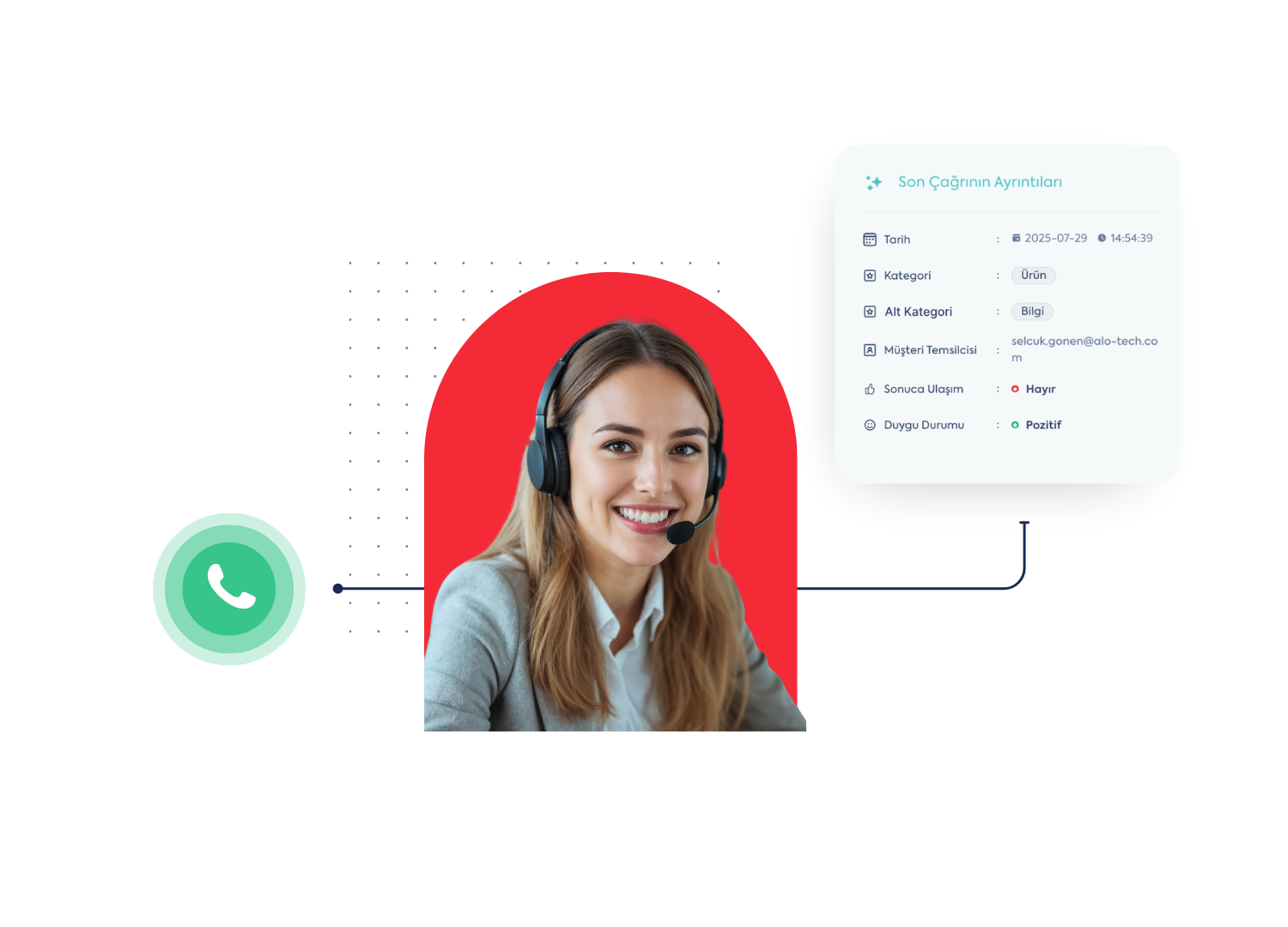
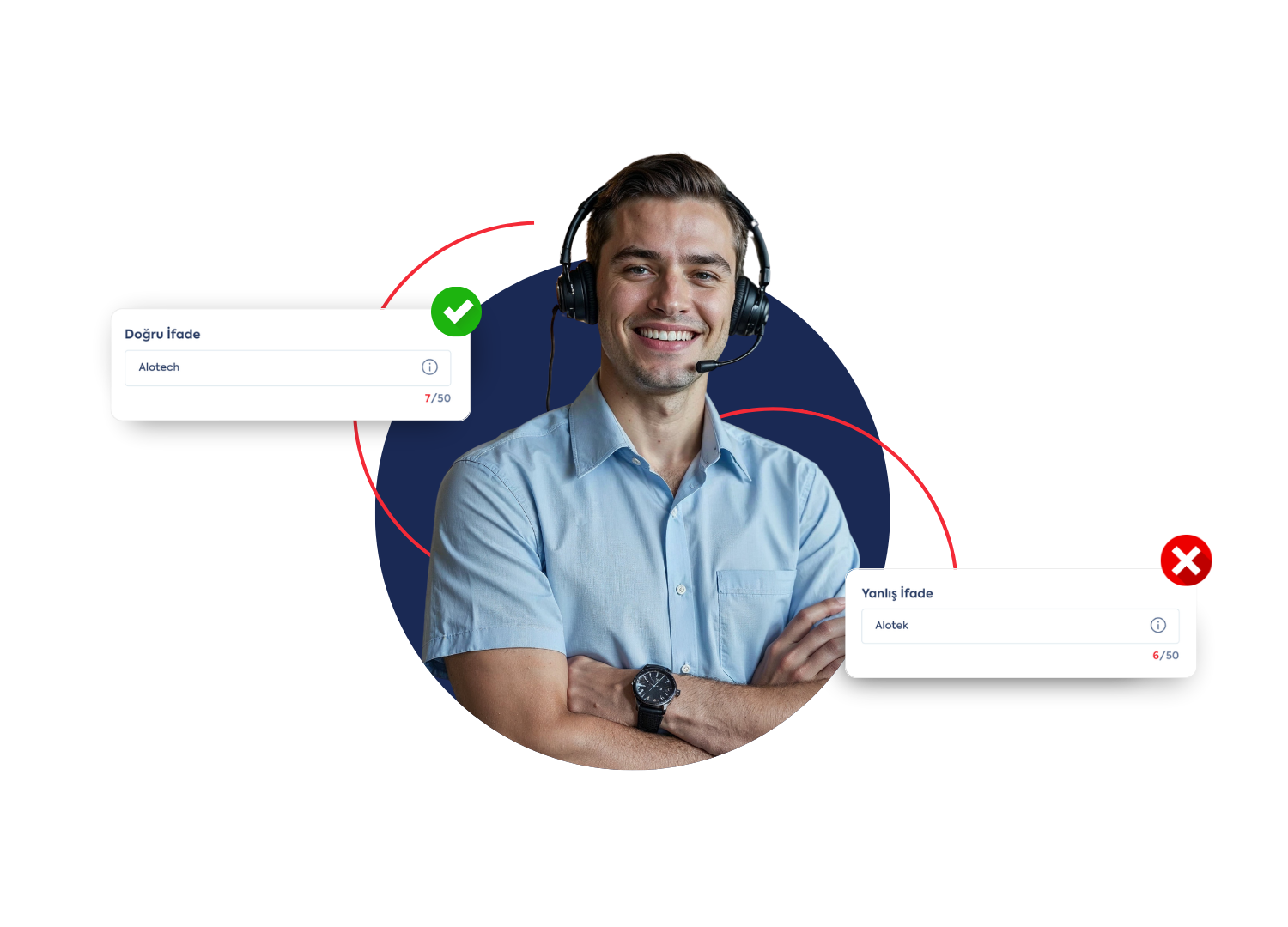
Master the Full Picture with Pre-Call AI
Your agents can instantly see an AI analysis of the caller’s previous conversation during an incoming call. This allows them to quickly gain information on past requests, outcomes, and sentiment, enabling them to provide a personalized service. This preparation increases satisfaction with faster and more efficient solutions
- Personalized service
- Fast solutions
- High satisfaction Empower every interaction with instant information.
Frequently Asked Question

A chatbot is a smart software that communicates with users in natural language to provide information and perform tasks. It can be used in many areas, including customer service, marketing, education, and entertainment.
It can provide rule-based responses or use NLP/AI to understand a question and generate the most suitable answer; it learns over time to provide more accurate responses. In short, it reduces the workload on support teams, lowers costs, and can serve multiple users simultaneously.
- Understanding the Question: The user’s message is parsed; keywords, intent, and topic are identified.
- Generating the Answer: The most suitable answer is created using predefined responses or AI techniques.
- Sending the Response: The message is sent to the user in the correct format and at the right time.
- Learning & Improving: Unanswered topics are added to the system; the model continuously improves with new data.
- Fast Response: Reduces waiting time and increases satisfaction.
- Fewer Human Resources: Lowers operational costs.
- 24/7 Service: Provides support even outside of business hours.
- Scalability: Handles many users at once.
- Efficiency: Takes on repetitive tasks, directing the team to more complex cases.
- Increased Satisfaction: Improves the experience with quick and consistent answers.
- Rule-Based: Clear responses for predefined flows and specific questions.
- Machine Learning-Based: Learns from data and answers a broader set of questions.
- NLP-Based: Understands natural language and provides contextual answers.
- Hybrid: A combination of rules and ML; it’s flexible and comprehensive.
- Virtual Assistant: Task-oriented, such as making appointments or buying tickets.
- Voice Chatbot: Understands and responds to voice commands (with multi-device support).
- Function: A chatbot provides automated responses, while web chat is real-time text conversation with a live agent.
- Personalization: Web chat is fully personalized; the level of personalization in a chatbot depends on its design.
- Scope: A chatbot is strong in specific or learned topics; web chat is more flexible for complex requests.
- Human Interaction: A chatbot is automated; web chat is human-based.
- Purpose: A chatbot is for frequent and simple tasks; web chat is for more complex questions.
- AI Use: A chatbot relies on AI/NLP, while web chat can also use AI support but is fundamentally based on a human agent.